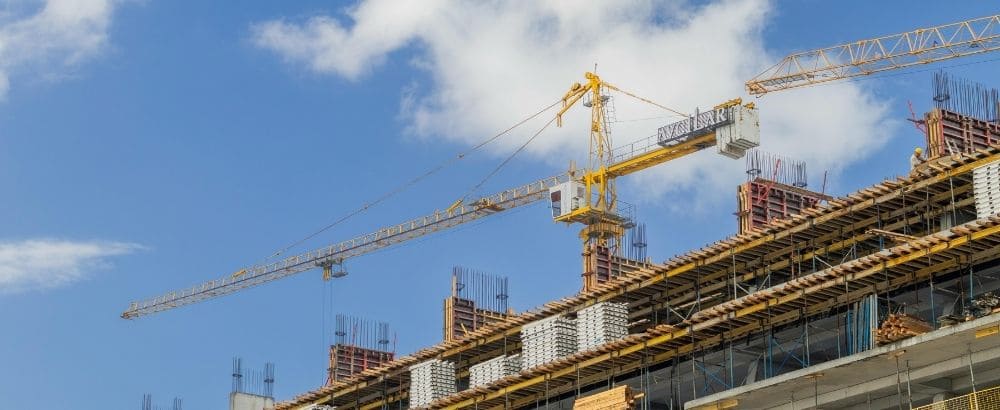
For developers and property owners, construction risk often feels temporary. Once a project is completed, attention shifts to leasing, operations, and asset performance.
The risk, however, does not disappear when construction crews leave the site. In many cases, it evolves.
In 2026, owners and developers are seeing an increase in claims that trace back to construction phases but surface years later as real estate liability issues. Understanding how this shift happens can help prevent exposure from quietly compounding.
Construction Defects Do Not Expire With Substantial Completion
Water intrusion, structural deficiencies, façade issues, HVAC failures, and code compliance problems frequently emerge well after occupancy.
By the time these issues become visible, the general contractor may no longer be directly involved, subcontractors may have dissolved, and documentation may be incomplete. The property owner is often left navigating claims, litigation, and tenant disputes.
Insurance can respond, but recovery depends heavily on how contractual risk transfer and completed operations coverage were structured during construction.
Contractual Risk Transfer Weakens Over Time
During development, contracts are carefully negotiated. Additional insured provisions, indemnification language, and completed operations requirements are often part of the project structure.
Years later, those protections may not function as expected.
Common breakdowns include:
- Inadequate completed operations limits
- Expired coverage periods
- Missing endorsements
- Subcontractors that no longer exist
- Documentation gaps that complicate tender
When risk transfer fails, liability shifts toward ownership.
Tenant Claims Often Trace Back to Construction
Habitability claims, mold disputes, premises liability allegations, and business interruption complaints frequently stem from construction-phase decisions.
A small waterproofing oversight can evolve into repeated tenant issues. Improper installation can lead to cascading damage. Documentation that once seemed administrative becomes critical evidence.
From an underwriting perspective, carriers increasingly evaluate real estate portfolios through the lens of construction quality and oversight discipline.
Insurance Alignment During Construction Determines Post-Completion Stability
Owners who treat construction insurance as a short-term project tool often miss the longer-term implications.
Builder’s risk, wrap programs, completed operations coverage, and umbrella structures should be evaluated not just for project completion but for post-construction resilience.
Questions worth asking include:
- Are completed operations limits proportionate to long-term asset value?
- Were subcontractor requirements consistently enforced?
- Does current real estate coverage assume risks created during construction?
- Has documentation been preserved to support future tenders?
The answers influence how well liability can be shifted when issues surface.
Why This Matters More in 2026
Litigation trends and claim severity continue to rise in many jurisdictions. Plaintiffs increasingly target ownership entities rather than contractors alone.
As portfolios grow and projects become more complex, the financial consequences of construction-related liability also expand. What once may have been absorbed as a project cost can now affect asset performance and investor confidence.
Owners who integrate construction oversight with long-term risk planning are better positioned to manage this exposure.
Building With the Future in Mind
Construction risk does not end when a ribbon is cut. It transitions.
Real estate leaders who evaluate how construction insurance, contractual structures, and operational documentation interact over time reduce the likelihood that yesterday’s project becomes tomorrow’s liability.
For developers and property owners looking to assess how construction-phase decisions may influence long-term portfolio risk, Liberty’s advisors can provide a strategic review aligned with your real estate objectives.
Connect with a Liberty advisor to review your portfolio strategy: https://libertycompany.com/contact/